Showing posts with label annual theme. Show all posts

POST-EVENT BLUES ARE A THING

We spend months planning, preparing, organizing for an art show, wedding or other large event, and are thrilled when the big day comes and see all our hard work come together. We rejoice during the event, taking stock of what worked well, kicking ourselves for what didn't.

And ever so quickly, it's all over. Just like that. Suddenly, just the final paperwork and some clean-up. And reliving the memories.

It's easy for the blues to set in afterwards, after spending so many months planning. You'd think the high would stay, but reality often sets in. It's a rather common phenomenon in fact to feel down afterwards.

You may start wondering what to work on next. In my case I didn't have another project or goal in mind to start preparing for, just a number of small tasks needing done that I had been neglecting. Many don't have a post-event plan as the show may have been a one-time thing. Or we may have simply been looking forward to some well-earned downtime. 

Some rest is needed before embarking on the next project. The fatigue we feel after an event may come as a surprise.  But as day to day normalness sets in, we begin to ponder our next purpose. I have things I should be doing to catch up, you know, some cleaning, weeding the garden, writing some blog posts, a few messes that sorely need re-organizing. But, honestly, I just didn't feel like doing these for a good 10 days or so after my art show opened. And even though I have an idea for a new smallish project, my get up and go seems to have - well - got up and gone. 

So, what can we do to prevent and/or improve these blues? 

  • Be prepared. We know these feelings will likely surface. The right mindset makes a big difference.
  • Recognize that these feelings will pass. We just need a bit of time, and rest. It can last days or weeks but knowing it will end is what's important.
  • Enjoy the memories. If it's the type of event you'll be running again, make notes on what you would change, what you would do differently next time. Savour the areas that worked particularly well. Organize your photographs of the event so you have a good reference for the future. 
  • Review the original goals for your event. Did you meet the goals or do you need to tweak some areas. What are some new goals you can set. See my post on 12 objectives for participating in art shows for some different perspectives.
  • Tap into your social network. Spend time with friends and family. Go out and do some fun activities. Catch up on what others are doing.
  • Spend time in nature. Nature is always healing and helps ground us. Go for long, slow walks, sit by a river or lake, plan a picnic with a significant other. If it's winter, walking, skiing, skating or snowshoeing are good activities.
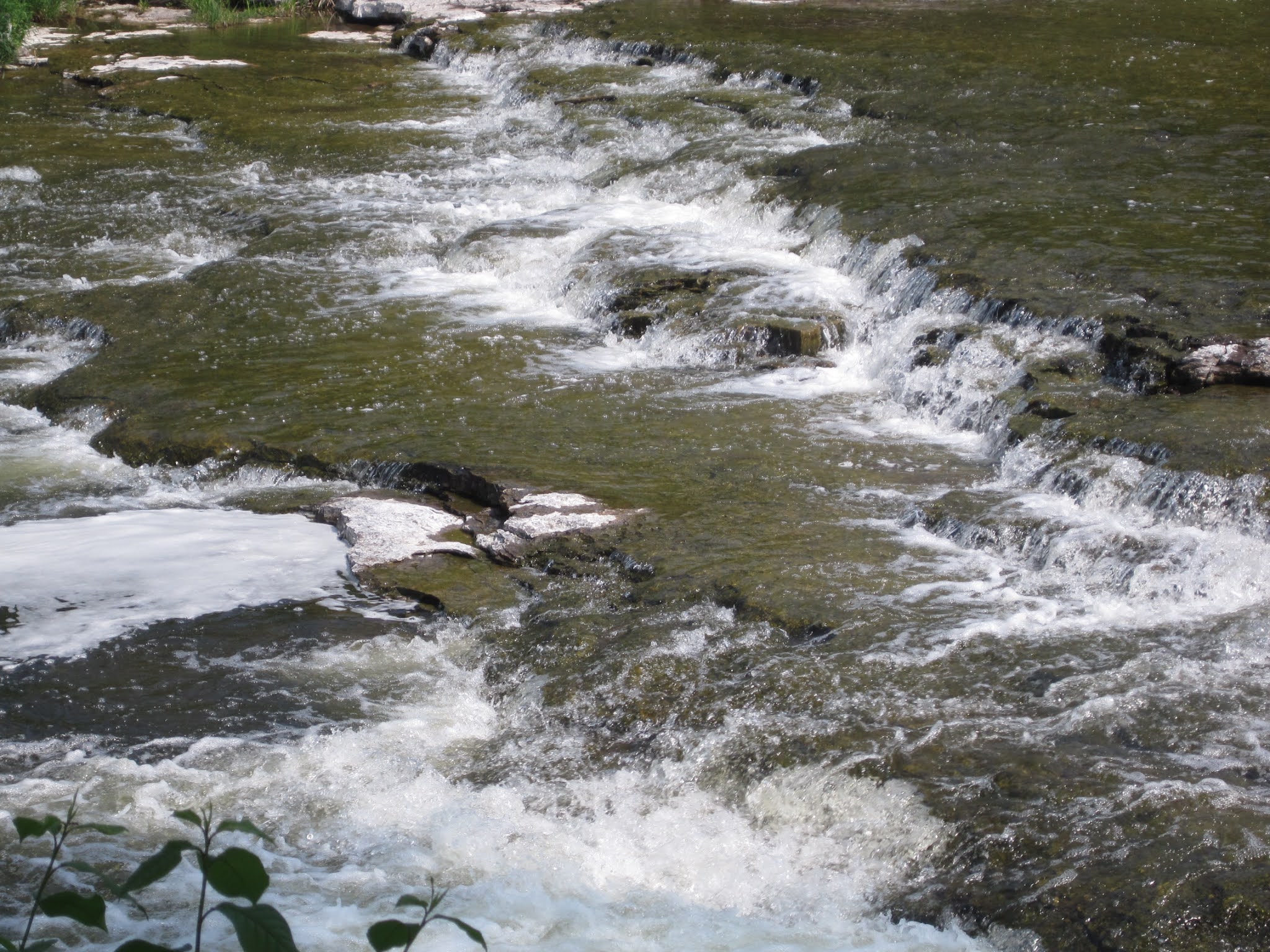
  • Pay attention to clues and niggles that may become your next project. There's no need to act on anything right away, in fact the recharging time is necessary. Just be aware, note in a journal these types of observations, then after a few weeks see if the ideas have quietly slipped away or if you are starting to see a pattern. When we wait, we'll know if the idea feels right, rather than just rushing headlong into the first idea that comes along.
  • When you're ready, set new goals. Some people know right away what they want to work on. Competitive athletes for example fall into this category. Lots of people need more time though and, as mentioned above, we shouldn't just jump into the next thing without doing a review first.
  • If you continue to feel down, turn to someone for help. Talking it through with a trusted professional can help you work through this kind of difficult time. 

I have a couple of ideas brewing. They are not concrete yet but I'm taking this time to organize some of my messes, look at reference photos, do some research, and experiment with techniques. I'm chomping at the bit to start a new project, but need to remember to be patient so I don't embark on something that's not the right fit.  The recharging of my batteries is so important at this stage. I'll know when I'm ready. 

But first, it's time to review my annual theme or make a new vision board. This may just be the key to taking a step toward my next direction. And I haven't look at my theme since I started on this last project. It's time.

Anne

Related Posts:

12 Objectives when Participating in Art or Vendor shows

Annual Theme? Or Vision Board?


HOW TO CREATE A VISION BOARD THAT WORKS

Have you struggled with how to create a vision board that works? Do you want to create a vision board that not only reflects your desires and goals, but also helps you identify some steps so you can start working on those goals? 

I've been making vision boards for a few years now, and recently came across a unique visioning technique that enhances the vision board, allowing us to dig even deeper than before and to follow our heart's desire. This technique is based on the work of Lucia Capacchione, Ph.D., ATR, an art therapist and author, from her book Visioning:Ten Steps to Designing the Life of Your Dreams. 

There were 4 of us following her process to make our vision boards for 2019. While there is so much more information in her book, the highlights are below. I recommend getting a copy of her book to create your own vision board. 

It starts with journaling

You may already do some journaling when you create your vision board, and before sorting through magazines and other images. This idea isn't new. The addition of journaling helps us gain insight into our goals and clarity on the directions we wish to pursue. In this visioning process, journaling is done with specific outcomes in mind. And the key is to use the journaling technique she discusses in her book. 


The powerful technique for journaling that actually works


You'll need a notebook that will become your Creative Journal - any size or style is fine - and several coloured markers for writing. Throughout each step, you write out the question or exercise in your journal.  

The key is to then write the answers with a different coloured pen and with the non-dominant hand!

This non-dominant hand writing taps into our true inner self, our unconscious mind, feelings, intuitions, inner child and dreams, sometimes even leading us to 'aha' moments. In addition to Dr. Capacchione's observations of others using this technique, neurologists have also shown that use of the non-dominant hand accesses the right hemisphere of the brain where our creative and image centres exist. 

This style of journaling is not new to me. I had learned about and tried it several years ago while pursuing a certificate in Introduction to Expressive Arts Therapies. But I had not thought of using this technique with the vision board process.Having now tried it, I can say that, yes, this technique does facilitate the creation of a vision board that actually works! 

Yes it can be slow and awkward to write or print this way. The trick is to write the same way you would with your dominant hand, e.g. using the same fingers and gripping the pen with the same tightness or looseness. 

And it's important to not think about what you should write, but to let the words flow from the unconscious. If the words don't come easily at first, start by writing blah blah blah; the brain should then kick in and answers begin to come. 


The Visioning and Vision Board Process:

While Dr. Capacchione breaks down the Visioning process into 10 steps, I have grouped them differently here to focus primarily on the journaling side of the process and share the benefits our group experienced throughout this process.

- Establish a focus phrase or theme

The first step in the creation of your vision board is to journal with your non-dominant hand about what you want for the coming year, and to come up with a phrase or theme that reflects your desired direction. This phrase becomes the focus for your vision board. 


With this phrase now established (although a bit of word-smithing may happen later on), you can begin to find and cut out images and words from magazines, old books, photographs, ephemera and so on that fit your focus. Any pictures or words you are drawn to that do not seem relevant at this point should be put aside to explore later on. When you feel you have enough, look for connections between the words and pictures. You may find some words work well together, or match up well with an image. And by finding such groupings, a deeper meaning may be revealed that you had not thought of earlier.

- Silence that inner critic

That annoying inner critic can rear its head during this kind of process, telling us that we shouldn't bother pursuing our goals, that the plan will never work, we don't deserve it, yadda yadda yadda. 

Non-dominant hand journaling can be very effective at stopping that voice in its tracks, snuffing it out, telling it to get out of our way, that it is wrong.- and to provide reinforcement that we have the strengths and desire we need to achieve our goals and that we are on the right path. 

- Journal about the images

Lay out the images and words on your vision board until you are pleased with the arrangement. Then begin to journal, again with your non-dominant hand, about each image, including any you had put aside. 

I was pleasantly surprised at the meanings and metaphors that were surfacing for each image using this journaling technique. Ideas and steps I could take were coming to mind and that I had not thought of until that point. I was also able to find connections to the images I had put aside, those images I was attracted to but had thought did not fit. These were added to my board. 

And the ideas coming from the pictures covered not just steps to reach my goals, but also related to support networks, how-to's, new ideas, strengths that align with my goals, and reinforcement to be open to what was being presented to me. 

This is powerful stuff!  

- Plan some steps to meet your goals

The last journaling task, after gluing the images and words onto the board, is to pretend you are in the future, 6 months or a year from now, and that you have achieved or are well on your way to achieving your goals. Then write the story from this future time - again in your non-dominant hand - answering questions about where things happened, who provided help, what you did, how you felt, how things have changed, challenges you overcame, what you learned. Not only can you see that what you are pursuing is possible, you will also have steps laid out so you can begin your journey.

Some closing thoughts 

I came away with a clear plan for the first half of 2019. And more than a little excited as I don't think I would have been able to create this plan from my board without this journaling technique.

The others in the group also stated they were going much deeper than when creating previous vision boards. That can be a scary process at times, not always within our comfort levels. By working in a small supportive group, we offered each other encouragement and reinforcement. And there were a few 'aha' moments along the way!

While working on finding images is the fun part, taking the time to put the right pieces into place ensures we each have a vision board that works, and a much more achievable plan for this coming year.

I plan to write more about this journaling technique in a future blog post, as I continue to explore Dr. Capacchione's research and her suggested exercises and activities. Simply fascinating I think.

Related post: Annual Theme? Or Vision Board?


ANNUAL THEME? OR VISION BOARD?

Do you set an annual theme? Or make a vision board? Or maybe both?

I started using an annual theme as a tool a few years back to keep sight of the direction I wanted to go in. The theme can cover personal quests, family, work, creativity, hobbies, health, bucket list, financial, and more, essentially whatever areas you feel you need or want to work on. It can cover all of these or a few or just one area.

The theme does not identify a specific goal such as "lose weight" but is more general in nature. For example "reduce" could cover a number of areas you wish to work on: losing weight, reducing spending, getting rid of clutter, watching less t.v., and so on. 

Discovering your theme for the year is usually done after setting goals or creating a vision board, but for some there could already be a theme you’ve been working towards that you have intuitively figured out. And not all of us follow the calendar year to set or re-set a theme. I seem to update mine about every 8 months or so. 

As you set goals for the year or make a vision board, a theme starts to emerge – one of mine from a few years ago was “connecting” and for another was "building successes". This latter one was not just about, well, building successes, but also about creating three dimensional fibre art buildings for an art exhibition, the first time I had worked in 3D.  Other people have identified intentions and themes such as “slow down”, “network”, “healing”. Usually one word or a short phrase is all that is needed. 


Vision boards are a process to help us create the life we want, a visual representation that we see daily to remind us of the directions we wish to pursue and the goals we set. Just like the theme, it can cover many areas or a key goal or purpose. It's an intuitive process, unlike the theme that describes a connection among the areas we wish to work on. Thinking in pictures can be a very successful way to keep on track, a form of visual journalling or storyboard, speaking to us in images and symbols. Athletes are a great example of people who use visualization techniques to pursue their goals and achieve success. 

Goals identified on a vision board can be big ticket items, but could also be steps that you wish to take toward something bigger, leaving us feeling less overwhelmed. It can be a good way to get started on something new: a workshop you want to take, a new exercise to try, connecting with family every Sunday - things that are of significance to you.

Creating the vision board helps us dig a bit deeper to see what our heart desires. By working with images, we are accessing our dreams and creative side, not just our logical brain to discover what we need to focus on.

I've been making vision boards for a few years now, and recently came across a very different way to create a board, digging even deeper than before. I think this new vision board will fit perfectly with identifying a theme for the upcoming months.  

I will share this new vision board process in a future blog post, once my board is complete and with some feedback from others who are using the same process. It's a process I already think is better and I'm excited to see how my board turns out. 

Do you set themes or create vision boards? I'd love to hear from you.


TYVEK EXPERIMENTS FOR 2026

Although I'm not a quilter, I am a fibre artist and do a lot of machine sewing, mostly random, improvised lines and some free motion. My...